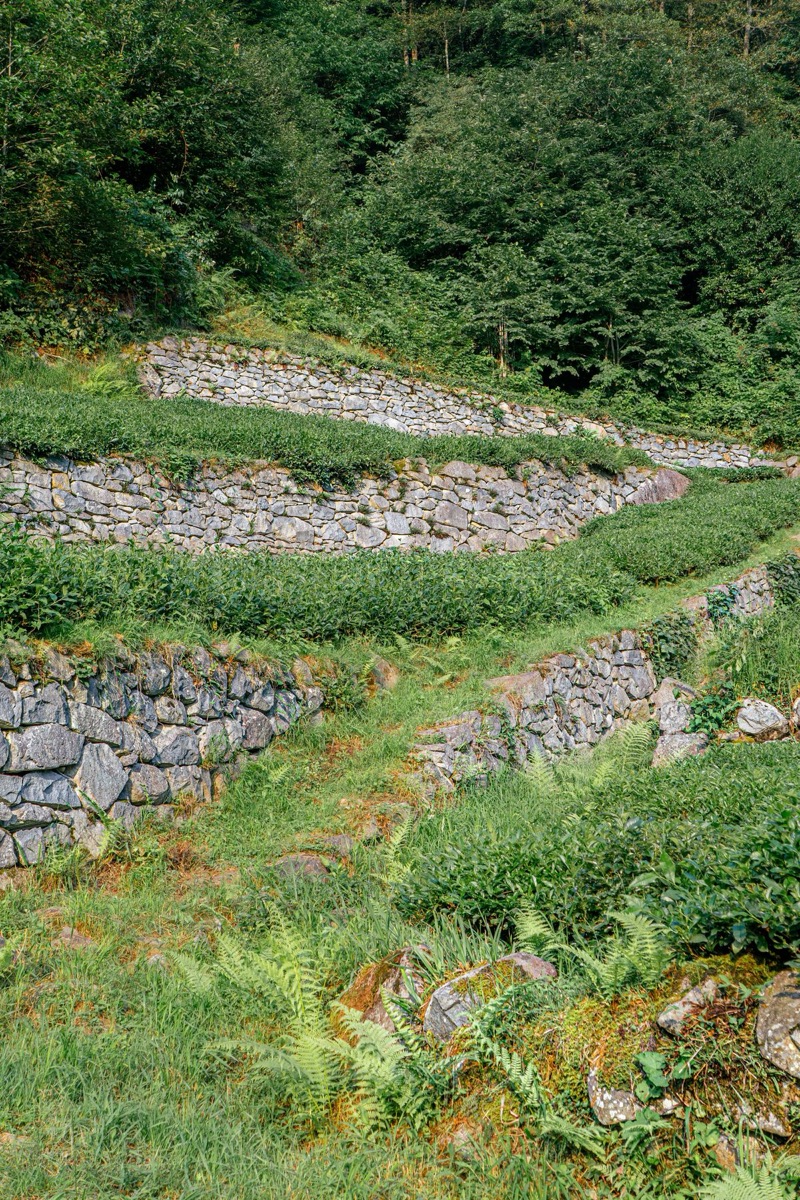
A retaining wall is a drainage structure that happens to hold back soil. Every GreenPath wall gets a compacted base, perforated drain pipe, and clean gravel backfill — the parts you can't see and the reasons walls don't lean in five years. Walls over 4 feet are built to a stamped engineer's design, permitted and inspected.
We also fix the grading problems behind wet basements and swampy lawns: swales, French drains, and regrading that sends roof and surface water where it belongs.
- Allan Block, Belgard & natural stone
- Drain pipe and gravel backfill standard
- Engineer-stamped designs over 4 ft
- French drains and drainage swales
- Foundation-protecting regrading
Common Questions About Retaining Walls & Grading
How much does a retaining wall cost?
GreenPath walls start at $45 per face foot for engineered block, including the parts you can't see: compacted base, perforated drain pipe, and clean gravel backfill. Natural stone runs higher, and walls over 4 feet add an engineer's stamped design and permit.
Why do retaining walls lean and fail?
Water, almost every time. A wall without drain pipe and gravel backfill is holding back saturated soil that weighs far more and freezes solid. Every GreenPath wall is built as a drainage structure first — that's why they're still straight after years of snowmelt.
Do I need a permit or an engineer for my retaining wall?
In most Northern Colorado cities, walls over 4 feet require an engineer-stamped design and a permit — and it's a rule worth having. We handle the engineering and permitting on tall walls as part of the project.